Many construction firms in Leeds assume soil erosion is only a risk on steep hillsides. That mistake can cost time and money. Runoff from compacted urban ground or poorly managed topsoil can undermine foundations and destabilise retaining walls. Before any earthworks begin, a proper erosion assessment identifies vulnerable zones. We combine field inspections with laboratory testing to measure soil erodibility and infiltration rates. For sites near the River Aire or on the city's sandstone ridges, this step is non-negotiable. Complementing the study with a permeability lab test helps predict water movement through the profile, while a slope stability analysis checks for potential failure planes.
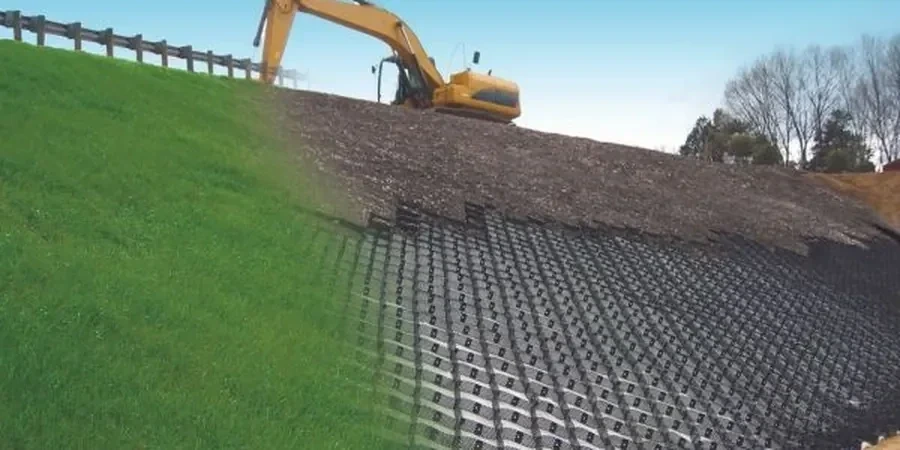
A proper erosion assessment can prevent slope failures that cost an average of £50,000 per incident in rework and delay.
Scope of work in Leeds
Critical ground factors in Leeds
BS EN 1997-1:2004 (Eurocode 7) and BS 5930 require that ground investigations assess erosion potential where slopes, cuttings, or drainage changes are planned. In Leeds, the combination of heavy rainfall (averaging 660 mm/year) and impermeable clay layers creates a high erosion risk. Ignoring this can lead to gully formation, loss of bearing capacity, and even retrogressive slope failures. For developments near the Leeds-Liverpool Canal or on the steep escarpments of Headingley, a quantitative erosion analysis is essential. We also cross-check results against the UK Soil Observatory's erosion risk maps.
This service complements our laboratory testing work for a complete project analysis.
Our services
We deliver three core solutions for soil erosion analysis in Leeds, each designed to match the stage of your project.
Site Erosion Risk Assessment
Walkover survey and GIS-based mapping of erosion features. Includes soil sampling for K-factor and shear strength. Delivered as a risk matrix with prioritised mitigation areas.
Laboratory Erodibility Testing
Pinhole dispersion, hydrometer, and crumb tests to classify soil dispersivity. Also runs saturated hydraulic conductivity and direct shear. Results in 7–10 working days.
Slope Erosion Monitoring
Installation of erosion pins, sediment traps, and runoff plots. Monthly data collection over a minimum six-month period. Provides real-world validation of erosion models.
FAQ
What causes soil erosion on construction sites in Leeds?
Leeds' clay-rich glacial till and high annual rainfall create a perfect environment for surface runoff and rill erosion. Poor drainage design, removal of vegetation, and steep temporary slopes are common triggers. We identify these factors during the initial walkover.
How much does a soil erosion analysis cost in Leeds?
A standard site assessment with laboratory erodibility testing costs between £730 and £1,730, depending on site size and number of samples. Monitoring projects are quoted separately based on duration and equipment needed.
Do I need an erosion analysis for a small residential development?
Yes, if the site slopes more than 5%, is near a watercourse, or has exposed clay soils. Local planning authorities in Leeds increasingly request erosion risk statements for applications involving earthworks or drainage changes.
What is the difference between erodibility and erosion rate?
The reference range for this service in Leeds is £730 - £1.730. The final price depends on the project scope and volume.