Leeds sits on a mix of glacial till and alluvial deposits along the River Aire, which means bearing capacity can vary from 75 kN/m² in the floodplain to over 300 kN/m² in the sandstone ridges north of the city centre. We have run bearing capacity analysis on over 40 sites across West Yorkshire, and the biggest surprise for many developers is how quickly the soil profile changes just a few metres away from the river. Before we start any foundation design we always recommend a georradar survey to map buried channels or old mine workings that could skew the bearing layer.
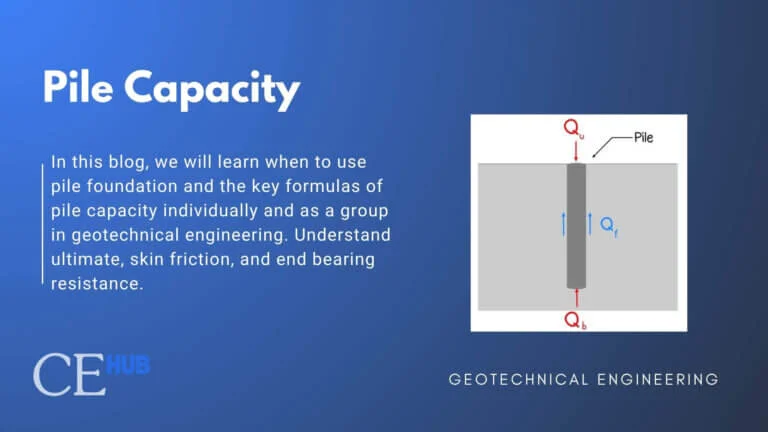
In Leeds the biggest surprise for developers is how quickly the soil profile changes just a few metres away from the river.
Scope of work in Leeds
Critical ground factors in Leeds
What we often notice in Leeds is that a bearing capacity analysis done in summer gives a different answer than one done after a wet winter. The glacial till can lose up to 30 % of its shear strength when the moisture content rises above 25 %. If your foundation is designed on dry‑season values alone you risk differential settlement when the water table rebounds. That is why we always correlate our bearing capacity analysis with the actual groundwater conditions recorded during drilling, and we flag this in the report so the structural engineer can apply the right partial factor.
This service complements our laboratory testing work for a complete project analysis.
Our services
We structure our bearing capacity analysis around three core solutions that cover the most common ground conditions in Leeds:
Plate load testing
On‑site plate bearing tests to measure the immediate settlement and ultimate bearing capacity of the founding stratum. We use a 300–600 mm diameter plate with hydraulic jack and dial gauges, following BS 1377‑9.
Laboratory shear strength testing
CU triaxial and direct shear tests on undisturbed samples to obtain c' and φ' for design. All tests are run in our UKAS‑accredited lab under controlled temperature and humidity.
Numerical bearing capacity analysis
We apply Terzaghi, Meyerhof and Hansen methods to the field and lab data, factoring in the water table and load eccentricity. The output includes allowable bearing pressure and expected settlement graphs.
FAQ
How much does a bearing capacity analysis cost in Leeds?
For a typical residential plot in Leeds a full bearing capacity analysis with two boreholes and lab testing ranges between £550 and £1.230. Larger commercial sites with multiple test pits and deeper boreholes fall at the upper end of that range.
What is the difference between allowable bearing capacity and ultimate bearing capacity?
Ultimate bearing capacity is the load at which the soil fails in shear, while allowable bearing capacity applies a safety factor (usually 2.5 to 3) to that value to account for uncertainties in soil variability, loading and construction quality. In Leeds we typically use a factor of 3 for glacial till.
Do I need a bearing capacity analysis for a small extension in Leeds?
Yes, unless you are building on known rock. Local building control often asks for a geotechnical report even for single‑storey extensions because the glacial till can hide soft pockets. We have seen cases where a simple strip footing designed without analysis settled 40 mm within two years.
How long does the lab testing take for a typical Leeds site?
From sample arrival to final report we usually deliver within 7 working days. The triaxial consolidation phase takes the longest – about 4 to 5 days – so we coordinate sampling dates with the drilling crew to minimise your programme delay.